Indoor Plant Care: How to Fertilize Begonias for Lush Blooms
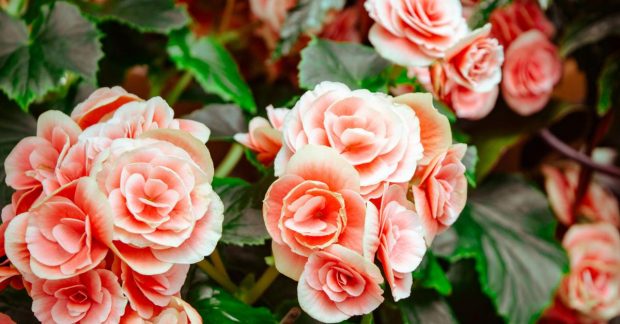
Experts share essential tips on how and when to fertilize indoor begonias to encourage vibrant and long-lasting flowering.
 🚌Transport
Photo: UNIAN
Key points
- Begonias need specific nutrients depending on their growth stage
- Nitrogen should be reduced during the blooming phase
- Always apply liquid fertilizers to pre-moistened soil
Growing indoor plants requires attention to detail, especially with sensitive species like begonias. Due to the limited amount of soil in pots, nutrients deplete quickly, leaving plants in need of proper nourishment. Without timely feeding, begonias may lack the energy required to form lush and healthy flower buds.
Choosing the Right Fertilizer for Each Growth Stage
During the initial growth phase after winter dormancy, experts recommend using balanced fertilizers containing equal parts of nitrogen, phosphorus, and potassium. This promotes steady development of foliage and roots. However, the approach changes significantly once the plant enters its blooming phase.
When buds begin to form, nitrogen should be reduced as it primarily stimulates leaf growth rather than flowers. Instead, the focus shifts to phosphorus and potassium, which provide energy for new buds and enhance overall plant resilience. It is crucial to apply fertilizers to pre-moistened soil to protect the root system from potential chemical burns. Liquid fertilizers are generally preferred for indoor pots as roots absorb them much faster.
Application Frequency and Organic Alternatives
The standard recommendation is to feed begonias every 10 to 14 days until flowering ends. For an extra boost, some growers apply weak nutrient solutions weekly by diluting the mixture significantly more than the manufacturer suggests. Over-fertilizing must be avoided to prevent root damage.
Organic alternatives such as bone meal, wood ash, compost, or seaweed extract can also support healthy blooming. Once the flowering period finishes, begonias enter a natural resting phase, and all fertilization should be paused until the next cycle begins.
Source UNIAN — unian.ua/lite/advice/chem-podkormit-begoniyu-dlya-cveteniya-polezno… ↗
Read next
 👥Society
Winter camp session for children from frontline regions begins in Zakarpattia
Over 350 schoolchildren from the Kharkiv and Luhansk regions have arrived in Zakarpattia for the 'Karpatrivska Zmina' project.
 🚨Events
Two Ukrainians Rescued in Romanian Mountains Amid -12°C Temperatures
Romanian mountain rescuers and border guards successfully evacuated two Ukrainian men, aged 27 and 40, who were stranded in the Maramureș mountains during a severe cold s…
 🚨Events
Nighttime Brawl in Hust: Police Detain Three Suspects
Law enforcement officers in Hust have detained three men involved in a violent altercation outside an entertainment venue that left two people injured.
 🛡️Security
Russia Expands Military Infrastructure Near Finnish Border: New Satellite Data
Russia is rebuilding the Kamenka garrison near the Finnish border, preparing to house up to 11,000 troops and a new training center.
 🛡️Security
Munich to House Ukrainian Refugees in Former BMW Offices
The municipality of Munich has leased part of a former BMW administrative complex to create temporary housing that will accommodate up to 600 people, primarily Ukrainian …
 🧠AI Analysis
Drone Strike Ignites Fire at Lukoil Oil Refinery in Russia's Perm
A major Russian oil refinery, Lukoil-Permnefteorgsintez, caught fire following a drone attack, targeting critical processing units.